West Bank

Valley of the Kings

Sixty-three royal tombs cut into the limestone cliffs of the Theban Necropolis. Each one a state-funded act of devotion to eternal life — and a forensic challenge for every archaeologist who enters.

Historical Context

Why the Pharaohs Left the Pyramids

Following the widespread looting of pyramid tombs during the First and Second Intermediate Periods, the rulers of the New Kingdom (approximately 1550–1070 BCE) adopted a new strategy for royal burial. Rather than an above-ground monument whose treasure would attract attention, they ordered tombs cut deep into the isolated limestone cliffs of the wadi the Egyptians called Ta Set Aat — the Great Place — on the West Bank opposite ancient Thebes.

The Valley of the Kings (Wadi el-Muluk in Arabic) became the primary royal necropolis for 18th, 19th, and 20th Dynasty pharaohs. The first, Thutmose I (KV38, circa 1504 BCE), was followed by rulers including Hatshepsut, Thutmose III, Amenhotep II, Seti I (whose tomb contains the finest New Kingdom art in existence), and Ramesses II — though Ramesses II's own tomb (KV7) is too damaged for public access. The most famous occupant, Tutankhamun (KV62), was relatively minor in his time but happened to be buried in a tomb small enough to be overlooked by ancient robbers — hence its near-complete survival when Howard Carter and Lord Carnarvon opened it in November 1922.

Today the valley contains 63 numbered tombs (KV1 through KV63), of which approximately 18–22 are open to visitors at any given time. Tombs rotate closure for restoration. The Supreme Council of Antiquities publishes a quarterly open-tombs list which Egypt Pass tracks and shares with members.
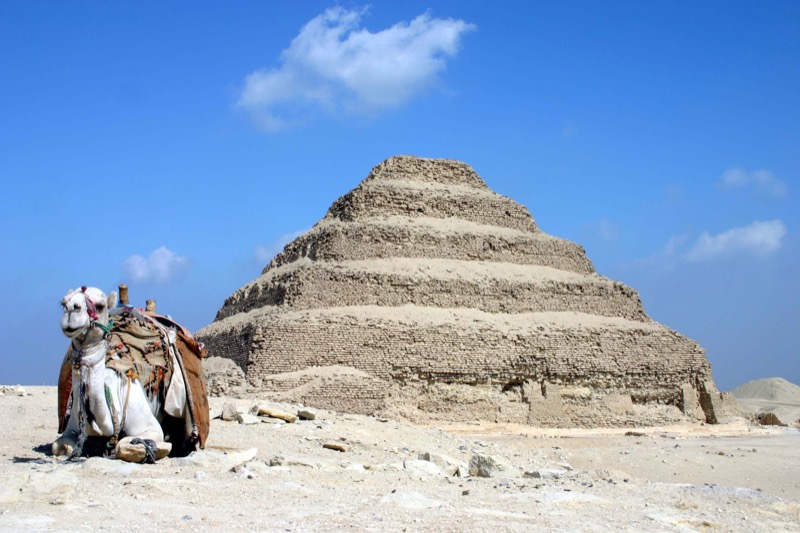
Entrance to royal tombs carved into limestone cliffs of the Valley of the Kings

Essential Visits

Key Tombs to Prioritise

The standard ticket admits you to three tombs of your choice. Tutankhamun (KV62) and Seti I (KV17) require separate supplementary tickets. Here is how to allocate your choices effectively.

Burial chamber of Tutankhamun with golden wall paintings in the Valley of the Kings

KV62 — Supplementary ticket required

KV62: Tutankhamun

At 110 square metres, Tutankhamun's tomb is the smallest royal tomb in the valley — its modest size is precisely why its contents survived intact. The burial chamber's painted walls (the only decorated chambers in KV62) depict the pharaoh before various deities and scenes from the Book of the Dead. The mummy of Tutankhamun rests in the outermost of his three nested sarcophagi; his golden death mask (one of the most recognised objects in human history) is now displayed at the Grand Egyptian Museum in Giza. The supplementary ticket costs 500 EGP for international adults. Photography inside is strictly prohibited.

See the golden mask at GEM
Painted astronomical ceiling and hieroglyphic columns in the tomb of Seti I

KV17 — Premium ticket

KV17: Seti I

The longest and most elaborately decorated tomb in the entire valley, stretching 137 metres into the cliff. Every chamber and corridor is covered in painted relief — the Book of Gates, the Book of the Amduat, the Litany of Ra, and astronomical compositions on the vaulted ceilings. Giovanni Belzoni discovered it in 1817 and considered it the finest ancient monument he had encountered. Access is via a premium permit (approximately 1,200 EGP for international visitors), which includes a small-group guided briefing. Numbers per session are capped at 12. Egypt Pass Expedition members receive priority booking for KV17 sessions, which typically sell out 3–4 weeks in advance.

Reserve KV17 access
Elaborate blue and gold astronomical ceiling in the tomb of Thutmose III

KV34 — Standard ticket

KV34: Thutmose III

Set high in the cliffs and reached by a steep iron staircase, Thutmose III's tomb (circa 1425 BCE) has a distinctive oval burial chamber — possibly imitating a royal cartouche in plan form — with walls painted in the stick-figure style of the earliest Amduat texts. The ascent requires some agility but rewards visitors with one of the oldest complete versions of the Ancient Egyptian guide to the underworld. The decoration here is less colourful than later New Kingdom tombs but more intellectually fascinating in its archaic form.

Back to East Bank

Standard ticket — three tombs, your choice

The standard Valley of the Kings ticket (340 EGP, international adult) admits you to any three open tombs except KV62 (Tutankhamun) and KV17 (Seti I), both of which require separate supplementary tickets purchased at the valley visitor centre. After KV62 and KV17, strong choices for the three included tombs include KV11 (Ramesses III — the largest accessible tomb, with exceptional ceiling paintings in the Hall of the Butchers), KV9 (Ramesses V and VI — partly unfinished but with outstanding Book of the Dead scenes), and KV35 (Amenhotep II — where Gaston Maspero famously found the Royal Cache of 18 royal mummies in 1898).

Logistics

Getting to the Valley from Luxor

By ferry and taxi

Take the local ferry from the Luxor East Bank corniche (2 EGP for the crossing, departing approximately every 20 minutes from 06:00 to 20:00). On the West Bank, taxis and minibuses serve the valley entrance gate, roughly 10 kilometres from the ferry landing. A full-day taxi charter on the West Bank covering the Valley of the Kings, Hatshepsut Temple, and the Valley of the Queens typically costs 400–600 EGP agreed in advance.

Hours and timing

The Valley of the Kings opens daily at 06:00 (earlier than most Egyptian sites) and closes at 17:00, with last tomb entry at 16:30. The internal electric tram (included in the ticket) connects the valley entrance to the main tomb cluster. Mid-morning temperatures in summer can exceed 45°C inside the valley. For October–March visitors, arriving at opening provides the most comfortable conditions and the thinnest crowds. The tombs have no natural ventilation beyond their entrance shafts; humidity from visitor breath is a preservation concern the SCA manages through daily visitor-number monitoring.

Go Deeper

Access More Than the Standard Ticket

Egypt Pass Scholar and Expedition members gain priority access facilitation for the Valley of the Kings premium permits, including KV17 (Seti I) reserved-session booking and occasional after-hours access during conservation open days. Reach our team to discuss your itinerary.