Established 2008 · Cairo, Egypt
We are Egyptologists, field archaeologists, and heritage planners working from our Cairo offices and from sites across all twelve governorates where significant monuments stand. Our mission is precise, practical information — nothing more.
How We Started
In the spring of 2007, our founding director Dr. Yusuf Al-Rashidi — then a lecturer in Ancient Egyptian Art at Cairo University — was accompanying a group of international postgraduate students on a Luxor field visit when three of the tombs listed as open in their guidebook turned out to be under conservation closure. Two more were in a ticketing zone their book did not mention. The group spent two hours correcting their itinerary on the spot.
That experience prompted a question: why was there no centralised, regularly updated resource that simply told visitors which sites were accessible, on what terms, and at what cost? The existing guidebooks updated every three to five years. The official ministry website was, at the time, partly in Arabic and not maintained for practical visit planning.
Nilescope Heritage Advisors was registered in Cairo in 2008, initially as a small consultancy producing site briefings for academic groups. By 2011 we had expanded our coverage to include all major monument zones. By 2016, the Egypt Pass digital guide service had grown to cover 47 sites across 12 governorates and had served advisories to visitors from 63 countries.
Company History
Nilescope Heritage Advisors established as a three-person academic consultancy. First client: a German archaeological institute requiring access briefings for Saqqara excavation team members.
Coverage expanded to all major UNESCO-listed sites in Egypt, including all Valley of the Kings accessible tombs, Karnak, Abydos, Dendera, and Kom Ombo. Staff grew to seven, with seasonal correspondents in Luxor and Aswan.
Launched the first version of egypt-pass.sbs as a structured online database, replacing PDF briefings with a searchable, real-time-updated guide covering ticketing, transport, and archaeological context for each site.
Introduced tiered memberships for academic institutions and tour operators. The Egyptian Society for Historical Studies awards accreditation to our research methods and cites our data in its annual visitor impact reports.
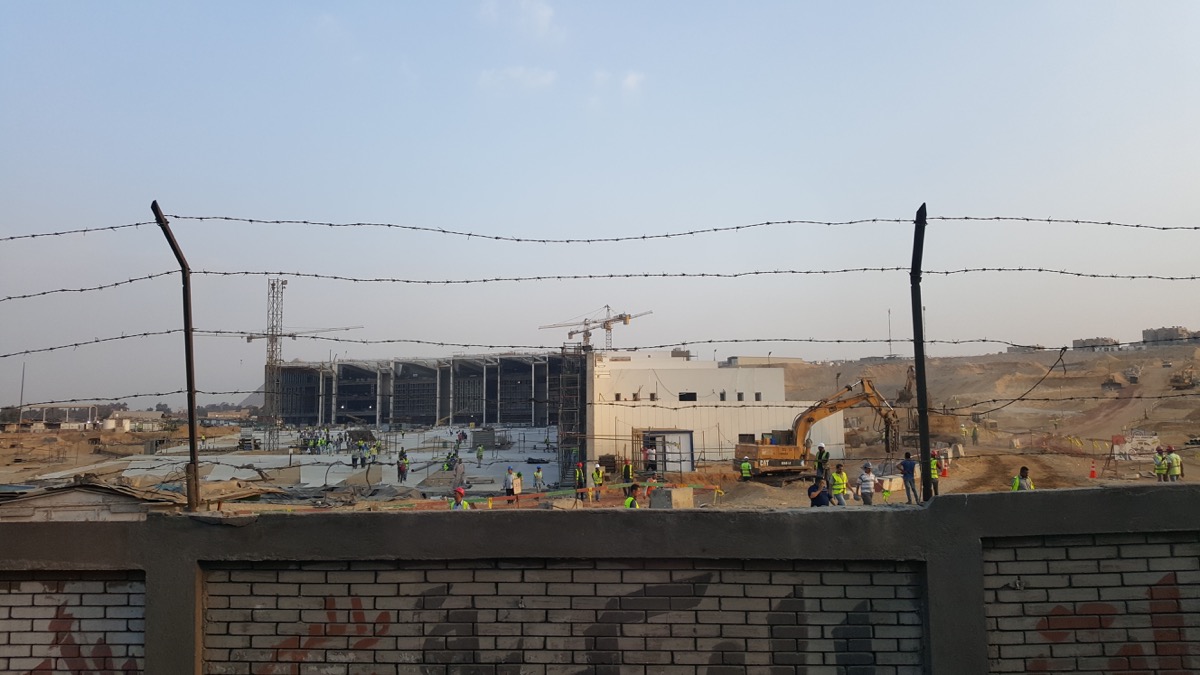
Egypt Pass published the most comprehensive independent visitor briefing for the Grand Egyptian Museum final-phase opening. Our pre-opening site inspection report was cited in four international travel publications.
Our current team includes eleven full-time field researchers, four seasonal correspondents, and two archivists who cross-reference our data against current Egyptian Ministry of Antiquities official bulletins.
The Research Team
Our researchers hold academic credentials in Egyptology, classical archaeology, heritage management, and architectural conservation. They are not generalist writers — they are specialists who happen to communicate clearly.
PhD in Ancient Egyptian Art, Cairo University. Seventeen years of field research across Upper and Lower Egypt. Former consultant to the Egyptian Museum's Tutankhamun conservation project. Specialises in New Kingdom royal funerary contexts and monumental inscription analysis.
MSc in Cultural Heritage Management, University of Alexandria. Coordinates all fieldwork schedules and quality reviews for our 47 active site files. Previously worked as heritage impact assessor for the Egyptian Ministry of Tourism and Antiquities from 2013 to 2018.
Classical archaeologist specialising in Graeco-Roman Egypt. Manages our coverage of Alexandria, Serapeum sites, and Fayum portrait excavations. Regular contributor to the Journal of Egyptian Archaeology. Speaks Arabic, Italian, English, and modern Greek.
Manages access permit facilitation and academic group coordination. Holds a postgraduate certificate in Cultural Diplomacy from AUC. Has arranged specialist access to restricted excavation sites for more than 40 academic institutions across Europe, North America, and East Africa since 2017.
Editorial Standards
Every claim in our site guides is sourced, checked, and dated. We publish a confidence rating alongside each data point to indicate how recently it was verified in the field and where uncertainty remains.
Each of our 47 active site files receives at least two physical inspection visits per year — once in peak season and once in the off-season. Ticket prices, access restrictions, and facility conditions are re-evaluated on each visit and updated in the database within 48 hours of return.
All ticketing and access data is compared against the Egyptian Ministry of Tourism and Antiquities official bulletins, the Supreme Council of Antiquities publications, and direct communication with site management offices before publication.
When we are uncertain whether information is current — for example, after a site reopens following emergency closure — we mark the relevant data as provisional and indicate the date of last confirmed verification, rather than presenting speculative data as fact.
We do not accept advertising from tour operators, hotels, transport companies, or ticketing agencies. Our editorial judgements are not influenced by commercial relationships. Where we recommend a third-party service, it is because our researchers have used it personally.
Subscribers can submit corrections and updates through their member portal. Every submission is reviewed within 72 hours by a senior researcher. Confirmed corrections from members have improved our data accuracy and generated over 340 database updates since the feedback system launched in 2018.
Our archaeological interpretation content — the historical context sections of each site guide — is reviewed by an advisory panel of three emeritus professors from Egyptian universities before publication. This ensures our characterisation of artefacts, inscriptions, and historical periods meets academic standards.
Our Process
Producing accurate, actionable visitor information for a site like Karnak or the Grand Egyptian Museum requires a structured methodology, not a single visit and a notebook. Here is exactly how we approach each site file.
Every site file begins with a structured baseline inspection conducted by two researchers simultaneously — one documenting practical visitor logistics (queuing patterns, ticket booth locations, shade availability, water access, facility condition) while the second documents the archaeological and signage environment. These two streams of observation are then reconciled into a single unified file.
Before any site file is published, every ticketing price, zone restriction, and opening hour is cross-referenced against three authoritative sources: the Egyptian Ministry of Tourism and Antiquities official communications, the Supreme Council of Antiquities seasonal bulletins, and where available, direct written confirmation from the site management office. Discrepancies are flagged and held until resolved.
After publication, each file remains under continuous monitoring. Our active membership base functions as a distributed observation network: members who have recently visited a site can submit timestamped update reports through their member portal. Every submission is reviewed and, where verified, incorporated into the live file within 72 hours. This means our Giza Plateau file, for example, may receive several updates per week during peak season.
Recognition
We do not pursue awards or industry rankings. The most meaningful measure of our usefulness is how our data is actually referenced and applied by those who need it.
The Egyptian Society for Historical Studies has cited Egypt Pass visitor data in its annual visitor impact reports since 2020. Our site-access documentation has been referenced in fourteen peer-reviewed papers covering Egyptological fieldwork methodology and heritage site management across three continents. We provide our raw site inspection logs on request to researchers who require primary source documentation for academic purposes.
Our pre-opening Grand Egyptian Museum briefing — published seven weeks before the 2024 final-phase opening — was cited in reporting by four international publications including specialist archaeological press. Our site access intelligence has been used as background research by documentary teams working on productions covering ancient Egypt for streaming platforms, typically where production researchers needed to verify location access conditions before committing to a shoot schedule.
We hold active service agreements with seven European university archaeology departments who use Egypt Pass as their standard pre-departure resource for student field trips to Egypt. Four heritage-focused non-governmental organisations operating in the Middle East and North Africa region subscribe to our institutional membership and use our permit facilitation service when planning site access for their conservation teams.