Independent Archaeological Guide

Discover Egypt's
Ancient Wonders

Navigate every pyramid, temple, and museum with confidence. Egypt Pass delivers field-verified information on opening hours, entry procedures, transport links, and on-site practicalities — so your time at each monument counts.

47+
Sites Covered
3200
Years of History
12
Governorates Mapped
98%
Visitor Satisfaction

Highlighted Destinations

From the timeless silhouette of the Giza Pyramids to the painted walls of the Valley of the Kings, these are the landmarks that draw millions of curious visitors each year. Our independent coverage goes beyond the surface — we include queue strategies, optimal visit windows, and context that transforms a sightseeing stop into a genuine encounter with ancient history.

Abu Simbel temple facade with colossal statues of Ramesses II

Aswan Governorate

Abu Simbel Temples

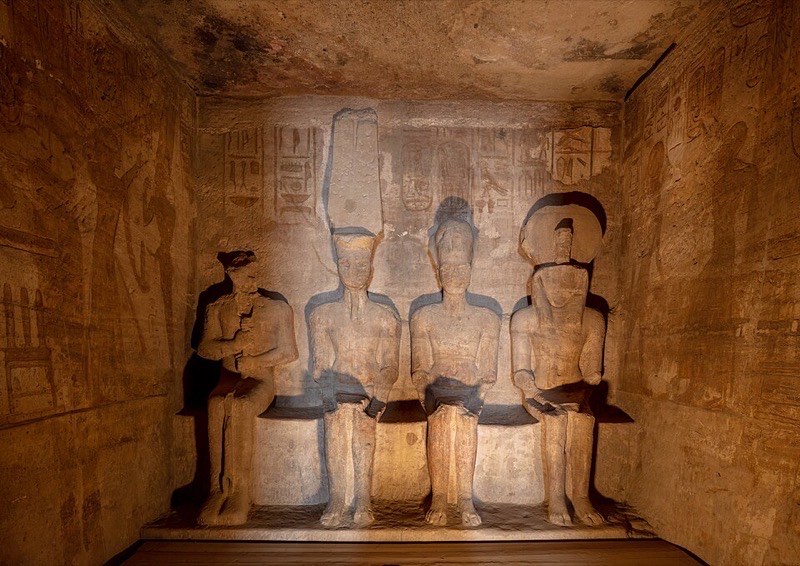
Carved into a sandstone cliff under Ramesses II, Abu Simbel is one of antiquity's most dramatic achievements. The Great Temple aligns twice a year so that sunlight reaches the innermost sanctuary — a feat of ancient astronomical precision that continues to astonish modern engineers. The smaller temple, dedicated to Nefertari, stands equally well-preserved nearby.

Full guide →
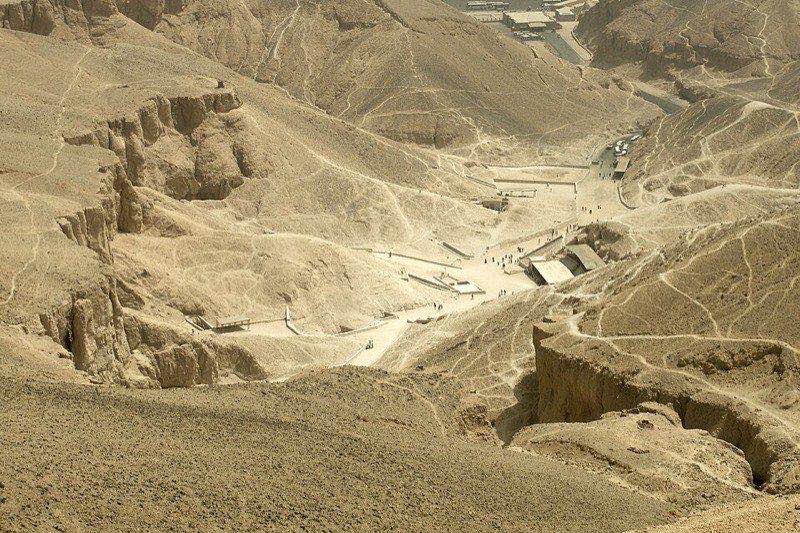
Valley of the Kings seen from above, Luxor

Luxor West Bank

Valley of the Kings

Sixty-three royal tombs cut into the limestone cliffs of Thebes hold some of the most exquisite painted decoration in the ancient world. The burial sites of Tutankhamun, Seti I, and Ramesses VI rank among the most detailed, though equally remarkable chambers exist in less-visited corners of the valley. We cover how to pace your visit across the available ticket zones.

Full guide →
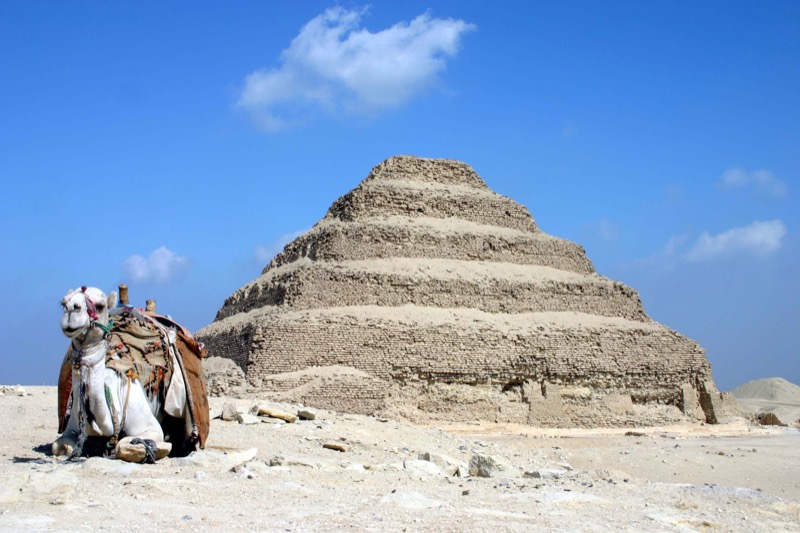
Saqqara step pyramid in the desert

Giza Governorate

Saqqara Necropolis

Djoser's Step Pyramid at Saqqara predates the Great Pyramid by a century and represents the world's oldest large-scale stone monument. The surrounding necropolis contains mastaba tombs with wall reliefs depicting everyday New Kingdom life — scenes of fishing, farming, and feasting that bring the ancient Egyptians closer than any textbook. Newly opened tomb chambers are accessible on specialist permits.

Giza Plateau guide →
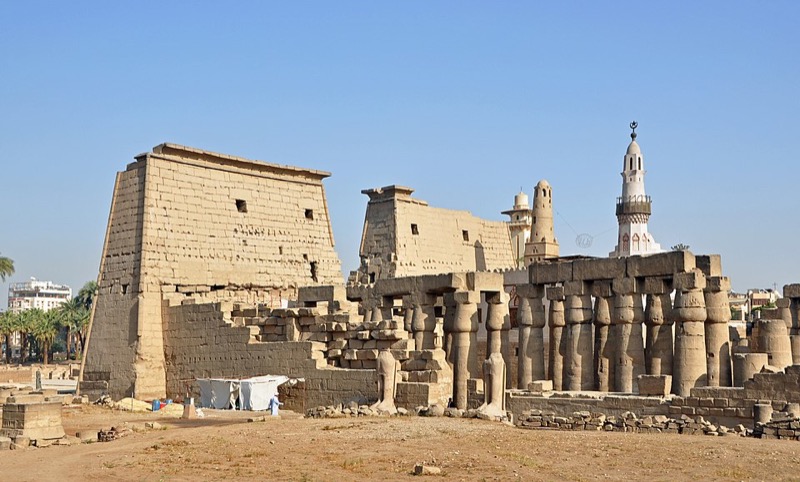
Luxor Temple at dusk showing massive pylon entrance

Luxor City

Luxor Temple Complex

Set in the heart of modern Luxor, this New Kingdom temple was built primarily by Amenhotep III and extended by Ramesses II. The Avenue of Sphinxes connecting Luxor to Karnak has been fully excavated and restored, offering a walkable corridor through millennia of ceremonial architecture. Evening illumination makes this one of Egypt's most photogenic sites after dark.

Full guide →
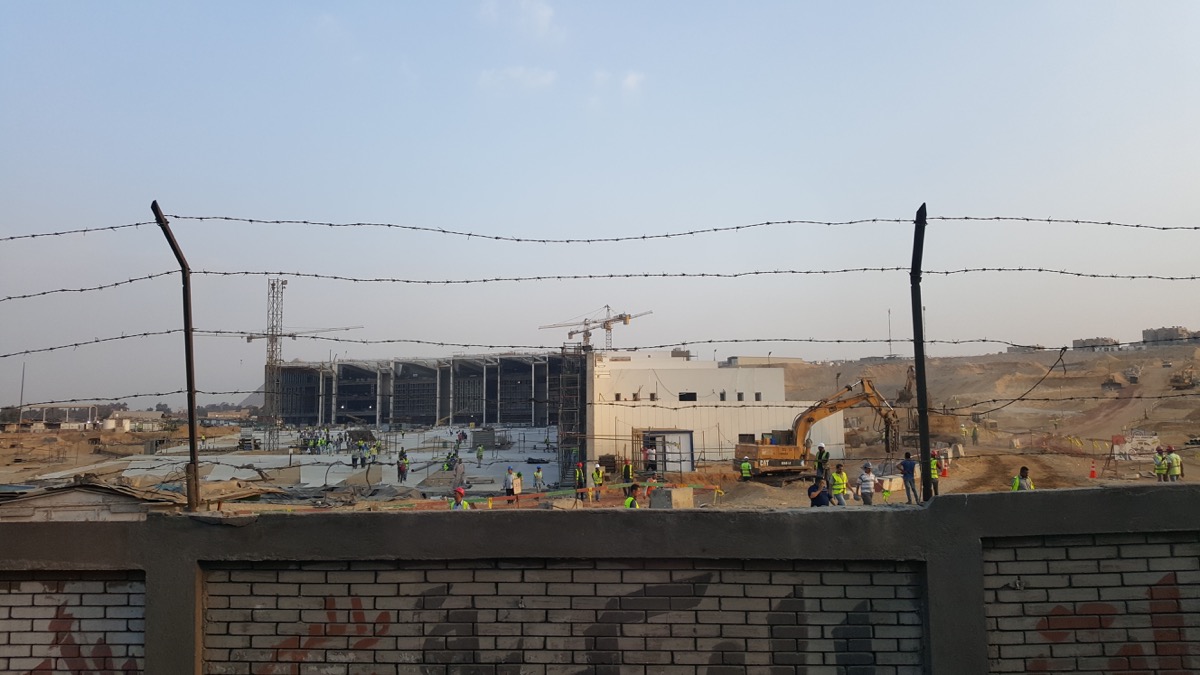
Grand Egyptian Museum exterior hall showcasing artefacts

Giza Governorate

Grand Egyptian Museum

The world's largest archaeological museum opened its final galleries in 2024, consolidating Egypt's national collection of more than 100,000 artefacts in a single purpose-built campus beside the Giza Plateau. The complete Tutankhamun collection — over 5,000 objects — occupies three purpose-designed floors and is displayed in its entirety here for the first time in history.

Museum guide →
Museum hall interior with ancient Egyptian collection display

Cairo Governorate

Egyptian Antiquities Museum

The historic pink building on Tahrir Square has housed Egypt's official collection since 1902. While the GEM takes over the headline artefacts, this museum retains a vast and still-essential array of statuary, papyri, and everyday objects from every dynastic period. The mummy room contains royal remains including Ramesses II, now displayed with full scientific interpretation.

Museum guide →

What Egypt Pass Provides

Practical Information, Not Marketing Copy

We are independent heritage researchers, not a booking agency. Every entry in our database is verified at least twice annually by staff who visit the sites in person. When opening times change or a gallery closes for restoration, we update within 48 hours.

On-Site Verified Data

Ticket prices, queue entry points, photography rules, and accessibility routes are checked by our Cairo-based researchers against the actual on-site experience, not secondhand reports or press releases.

Seasonal Timing Guidance

Egypt's climate and visitor patterns vary sharply by month. We publish site-specific optimal visit windows that account for temperature, crowd density, light quality for photography, and festival closures throughout the calendar year.

Archaeological Context

Each site entry includes a concise historical narrative, a summary of current excavation activity, and references to the scholarly literature that shaped our interpretation — useful for academic visitors and curious travellers alike.

Visit Duration Estimates

Knowing how long to budget for each site prevents rushed itineraries. Our duration estimates cover both express and in-depth visit styles, so you can plan realistically whether you have two hours or a full day at each location.

Transport and Logistics

We detail road conditions, local taxi pricing norms, intercity bus and train options, and the practical distance relationships between sites so you can combine destinations efficiently without relying on inflated package-tour pricing.

Specialist Consultation

For researchers, academic groups, film productions, and access-permit applicants, our advisors can arrange direct communication with site management and the Egyptian Ministry of Tourism and Antiquities on your behalf.

2008
Founded
47
Sites in Database
28K
Visitors Assisted
12
Languages Available
Grand Egyptian Museum hall with display of ancient Egyptian artefacts

Our Background

Researchers Who Live Near the Sites

Nilescope Heritage Advisors was established in Cairo in 2008 by a team of Egyptologists, heritage planners, and field archaeologists who recognised a gap between the information tourists received and the reality they encountered on arrival.

Our team of eleven full-time researchers and four seasonal correspondents makes regular site visits across all twelve governorates with active monuments. We hold professional accreditation with the Egyptian Society for Historical Studies and maintain an ongoing working relationship with Luxor's East and West Bank inspectorates.

We do not receive advertising revenue from tour operators or transport companies. Our income comes entirely from the advisory memberships we offer independent travellers, academic institutions, and heritage organisations — which keeps our assessments objective.

Learn About Our Team
From Our Visitors

What Travellers and Researchers Say

★★★★★

"The Valley of the Kings guide was the most accurate I found anywhere. The information on which tombs were open that particular week — and which required separate permits — saved us from a completely misspent day. We saw six tombs in detail instead of rushing through twelve."

Claudia Reinhardt
Art historian, Berlin — visited Luxor March 2025
★★★★★

"I was leading a university field study group and needed current, citable information on access procedures for Saqqara's newly opened mastabas. The Egypt Pass advisory team connected us directly with the relevant inspectorate office and the permits were sorted within four days. Exceptional service."

Prof. Amara Nwosu
Department of Classical Antiquity, Ibadan — group visit January 2025
★★★★★

"I have been visiting Egypt annually since 2016 and Egypt Pass has become the only source I trust for logistical updates. The 2024 GEM opening guide was thorough, honest about queuing realities, and gave me a completely different experience from people who simply showed up. Worth every penny of the membership."

Common Questions

Before You Visit Egypt

The GEM operates timed-entry tickets that frequently sell out three to five days in advance during peak season (October through April). We recommend booking at least a week ahead if your travel dates are fixed. The museum's official online portal now accepts international card payments, though the interface currently operates in Arabic only — our guide page includes step-by-step screenshots with English annotations.

Yes, for the major sites. Giza, Luxor, Karnak, Abu Simbel, and Saqqara are all accessible as independent visitors with standard ticketing. The sites have clearly marked paths, on-site information panels, and security staff throughout. Some interior chambers and newly excavated areas do require a licensed Egyptologist guide — our individual site guides specify exactly which spaces are affected and how to locate accredited local guides on arrival.

October, November, February, and March offer the most manageable daytime temperatures at open-air sites — typically 22–28°C. December and January are excellent for Upper Egypt (Luxor, Aswan, Abu Simbel) where midday temperatures stay below 25°C. Cairo's museums can be visited year-round as they are air-conditioned, but the Giza Plateau in July or August means 38–42°C heat with very little shade — only early morning visits (opening at 08:00) are comfortable.

Photography rules vary by site and, in some cases, by individual chamber. At the GEM, personal photography without flash is permitted in almost all galleries. In the Valley of the Kings, photography is banned inside the decorated tomb chambers to protect the pigments — this is actively enforced. Karnak and Luxor temples allow photography freely. Our site guides include an up-to-date photography permissions table for each location, updated after each seasonal inspection visit.

The Explorer and Scholar memberships include downloadable PDF site packs formatted for offline use on a phone or tablet — essential for sites with no mobile signal. The Scholar and Expedition memberships also receive a printed A5 field reference booklet posted to your address, containing the most critical logistical information for your chosen itinerary. Digital materials are updated in real time; printed booklets are issued at the time of booking and include seasonal addenda cards for changes that occur before your departure.

Begin Your Research

Ready to Plan Your Egyptian Journey?

Whether you are a first-time visitor, a returning researcher, or an institution planning a group expedition, our team can help you navigate Egypt's remarkable heritage landscape with clarity and purpose.